ELECTRICAL INSPECTION
LV Panel Inspection Services in Dubai, UAE
LV panel inspection is a systematic assessment of low-voltage electrical distribution panels to verify their physical condition, connection integrity, and operational safety. It combines visual inspection, thermal scanning, and electrical testing to identify hazards such as loose connections, corrosion, overheating, and non-compliant installations.
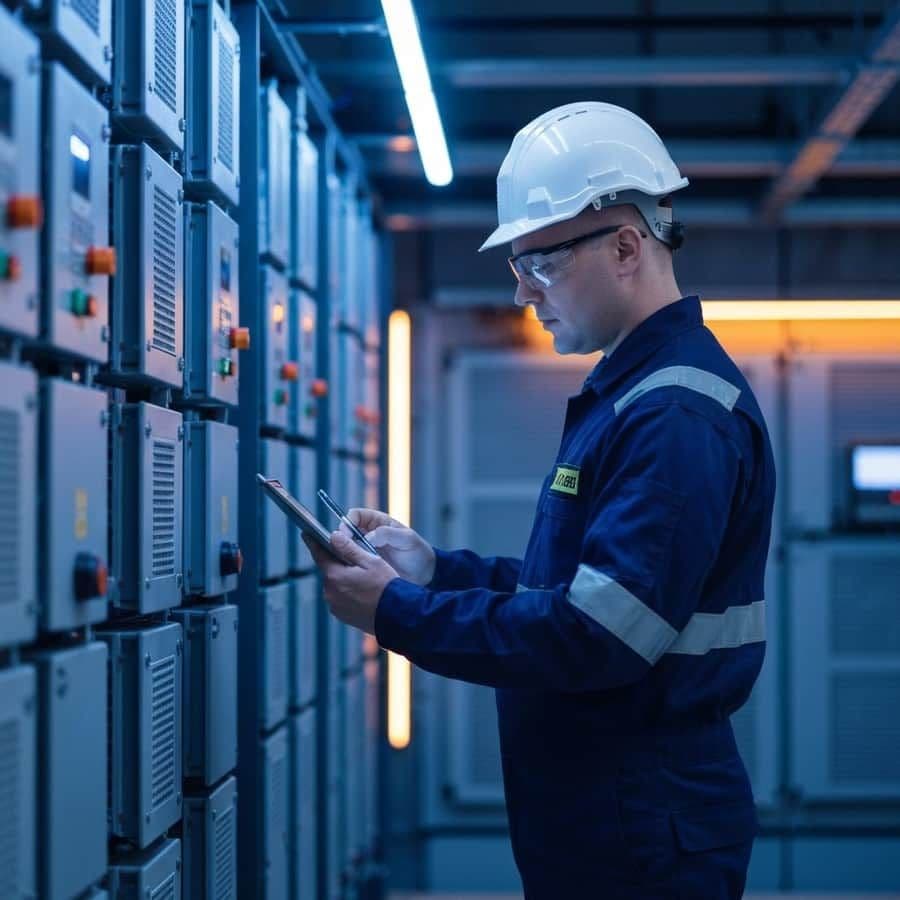
LV Panel Inspection Services in Dubai, UAE
Carelabs provides thorough low-voltage panel inspections for commercial and industrial facilities across Dubai and the UAE. Our inspections evaluate the condition of main distribution boards (MDBs), sub-main distribution boards (SMDBs), final distribution boards (FDBs), and motor control centres to ensure they meet DEWA requirements and international safety standards.
Why LV Panel Inspection is Critical in the UAE
Electrical panels in the UAE face accelerated degradation due to extreme ambient temperatures, dust infiltration, and humidity in coastal areas. Regular inspections identify deteriorating connections, overloaded circuits, and non-compliant installations before they lead to equipment failure, fire, or unplanned outages. DEWA requires periodic inspection and maintenance of electrical systems in all connected facilities.
Comprehensive Assessment
Our LV panel inspections include visual assessment of all panel components, infrared thermographic scanning under load, torque verification of electrical connections, insulation resistance testing, and verification of protective device settings. Each panel receives a condition rating with prioritised recommendations for maintenance or replacement.
What We Deliver
Thorough Assessment of Your Electrical Panels
Visual & Thermal Assessment
Comprehensive visual inspection combined with infrared thermographic scanning to detect hotspots and deteriorating components.
Connection Integrity Testing
Torque verification and contact resistance measurement on all critical connections to prevent loose connection failures.
Compliance Verification
Assessment against IEC 61439, BS 7671, and DEWA requirements with documented findings and corrective recommendations.
Our Process
Our LV Panel Inspection Process
Scope & Planning
Review facility drawings, identify all LV panels to be inspected, and coordinate access schedules with your operations team.
Visual Inspection
Systematically examine panel enclosures, busbars, connections, cable entries, labelling, and environmental conditions.
Thermographic Survey
Conduct infrared thermal scanning of all panels under normal load to detect hotspots and thermal anomalies.
Electrical Testing
Perform torque verification, insulation resistance testing, and protective device checks on all inspected panels.
Condition Rating
Assign condition ratings to each panel based on inspection findings and classify maintenance priorities by severity.
Report & Recommendations
Deliver comprehensive reports with findings, photographs, and prioritised action plans for maintenance and remediation.
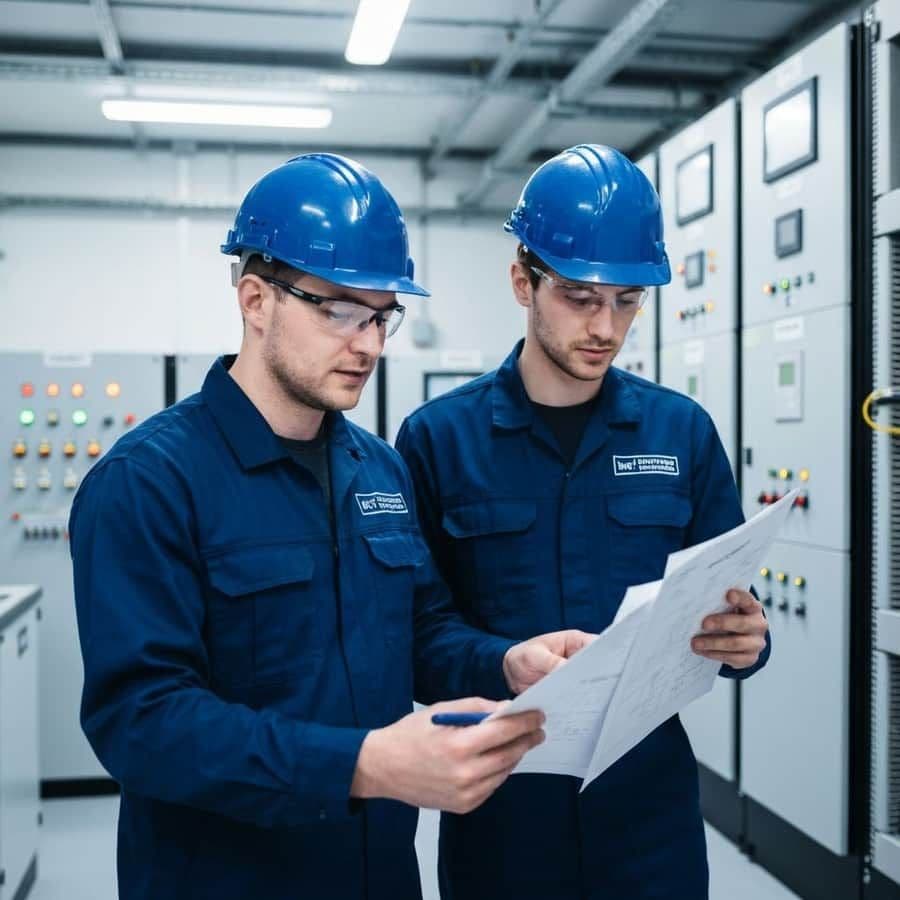
PREVENTING PANEL FAILURES
Protecting Your Facility from Electrical Panel Hazards
LV panel failures are among the most common causes of electrical fires in buildings. Regular inspections catch deteriorating conditions early, enabling targeted maintenance that prevents catastrophic failures.
- Visual assessment of panel enclosures, busbars, and connections
- Infrared thermographic scanning under operational load
- Torque verification of all bolted electrical connections
- Insulation resistance testing of busbars and main cables
- Protective device condition and settings verification
- Environmental assessment including ventilation and IP rating compliance
DELIVERABLES
What You Receive
Each LV panel inspection includes a detailed condition assessment report with photographs, thermal images, test results, and prioritised maintenance recommendations. Reports are structured for DEWA compliance documentation.
- Panel-by-panel condition assessment with photo documentation
- Thermographic images with temperature data for each panel
- Torque test results and connection integrity findings
- Insulation resistance measurements and trend comparison
- Prioritised maintenance recommendations by severity
- Executive summary with facility-wide condition overview
FAQ
Frequently Asked Questions
What is included in an LV panel inspection?
An LV panel inspection includes visual assessment of enclosures and busbars, infrared thermographic scanning under load, torque verification of bolted connections, insulation resistance testing, protective device checks, and environmental condition assessment. Each panel receives a documented condition rating.
How often should LV panels be inspected in Dubai?
DEWA and industry best practice recommend annual LV panel inspections for commercial facilities and semi-annual inspections for industrial operations with heavy electrical loads. Critical facilities such as hospitals, data centres, and high-rise buildings may require more frequent assessment schedules.
Does Carelabs inspect main distribution boards and sub-panels?
Yes. Our LV panel inspections cover all levels of the distribution system including main distribution boards, sub-main distribution boards, final distribution boards, motor control centres, and capacitor bank panels. We inspect every accessible LV panel within the agreed scope of work.
Can panel inspections be done without shutting down power?
Visual inspection and thermographic scanning are performed with panels energised under normal load. Torque verification and insulation resistance testing require de-energisation of individual panels, which we coordinate with your operations team to minimise disruption during scheduled maintenance windows.
What are the most common issues found during LV panel inspections?
Common findings include loose busbar connections causing hotspots, deteriorated cable insulation, corroded terminals, overloaded circuits, missing or incorrect labels, blocked ventilation, and non-compliant modifications. Many of these issues develop gradually and are invisible without systematic inspection.
Does DEWA require LV panel inspection reports?
DEWA requires facility owners to maintain electrical systems in safe operating condition and may request documentation of maintenance and inspection activities. LV panel inspection reports from Carelabs are formatted to meet DEWA documentation standards and support compliance audits.
How long does an LV panel inspection take?
Duration depends on the number of panels and the scope of testing required. A typical commercial building with twenty to thirty panels can be inspected in two to three days. Large industrial facilities with extensive distribution systems may require five to ten working days.
What qualifications do Carelabs panel inspectors have?
Carelabs panel inspections are conducted by qualified electrical engineers with Level II thermography certification and experience in LV system assessment. Our team follows NETA Maintenance Testing Specifications and IEC 61439 standards for systematic and thorough inspection procedures.
Can Carelabs repair issues found during panel inspections?
Carelabs focuses on inspection, assessment, and consulting. For corrective maintenance and repairs, we provide detailed recommendations that your in-house team or approved electrical contractor can implement. We can coordinate with implementation partners to ensure findings are properly addressed.
What is the difference between LV panel inspection and thermographic inspection?
Thermographic inspection is one component of a comprehensive LV panel inspection. A full LV panel inspection also includes visual assessment, torque verification, insulation resistance testing, and protective device checks. Thermographic scanning alone detects thermal anomalies but does not assess all panel condition factors.
Get Started
Schedule Your LV Panel Inspection
Ensure your electrical panels are safe, compliant, and maintained to prevent failures and outages.