PREDICTIVE MAINTENANCE
Thermographic Inspection Services in Dubai, UAE
Thermographic inspection uses infrared imaging technology to detect abnormal heat patterns in electrical equipment, identifying loose connections, overloaded circuits, and deteriorating components before they cause failures. It is a non-contact, non-destructive predictive maintenance technique widely required by DEWA and UAE safety regulations.
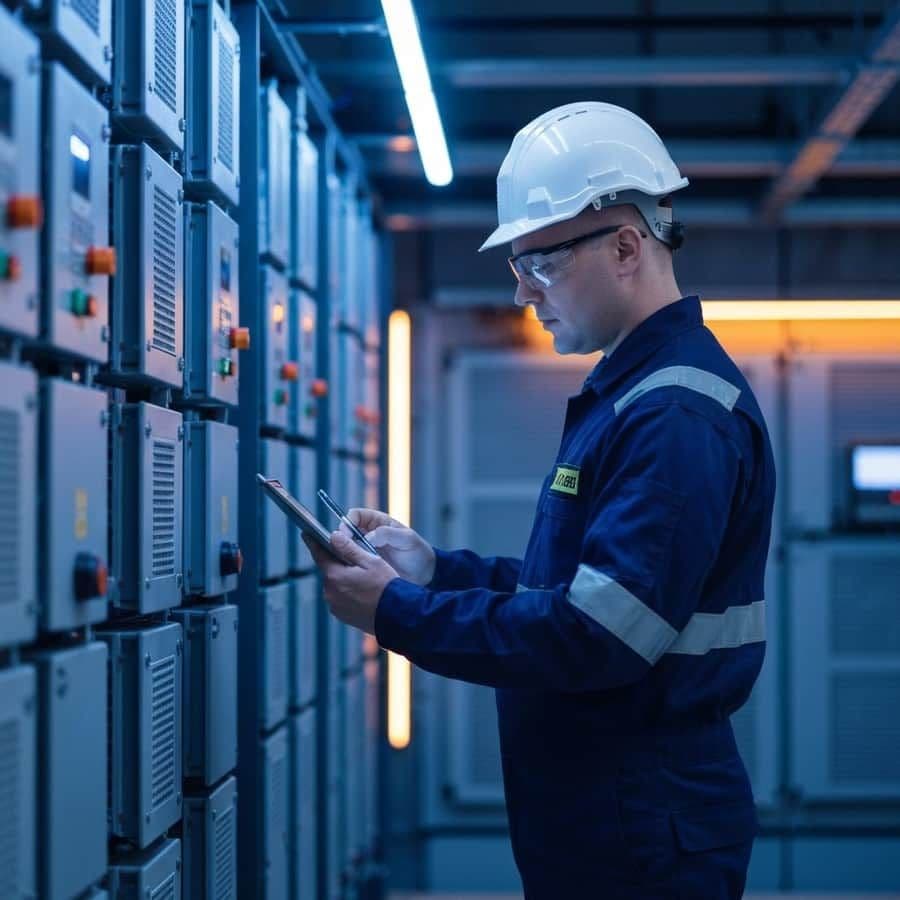
Professional Thermographic Inspection in Dubai, UAE
Carelabs provides certified infrared thermographic inspection services for electrical systems across Dubai and the UAE. Using advanced thermal imaging cameras, our engineers identify hotspots, overloaded circuits, loose connections, and failing components in switchgear, panels, transformers, and distribution boards.
Why Thermographic Inspection Matters in the UAE
In the extreme heat environment of the UAE, electrical systems face accelerated degradation. Thermographic inspections detect thermal anomalies before they escalate into equipment failures, unplanned outages, or electrical fires. DEWA requires regular infrared surveys as part of facility maintenance programmes, and insurers increasingly mandate thermographic reports for policy renewals.
Our Approach
We conduct systematic infrared surveys of all electrical infrastructure under normal operating load conditions. Each anomaly is classified by severity using NETA guidelines, with specific repair recommendations and prioritised action plans. Reports include high-resolution thermal images with temperature data, comparison photographs, and detailed findings for each piece of equipment inspected.
What We Deliver
Advanced Thermal Imaging for Electrical Safety
Hotspot Detection
Identify abnormal heat patterns in panels, switchgear, and connections that indicate imminent failure or overloading.
Non-Invasive Inspection
Conduct thorough assessments without shutting down equipment or interrupting facility operations.
Prioritised Action Reports
Receive severity-classified findings with specific repair recommendations and timelines for each anomaly.
Our Process
Our Thermographic Inspection Process
Pre-Survey Planning
Review facility drawings and equipment inventory to plan an efficient inspection route covering all critical electrical assets.
Load Verification
Confirm that equipment is operating under normal or maximum load conditions to ensure thermal anomalies are detectable.
Infrared Survey
Conduct systematic thermal scanning of all panels, switchgear, transformers, cable terminations, and distribution boards.
Anomaly Classification
Classify each thermal anomaly by severity using NETA MTS guidelines and determine required corrective actions.
Report Generation
Compile findings into a comprehensive report with thermal images, measurements, and prioritised recommendations.
Review & Handover
Present findings to your maintenance team, discuss priorities, and provide guidance on corrective actions and re-inspection scheduling.
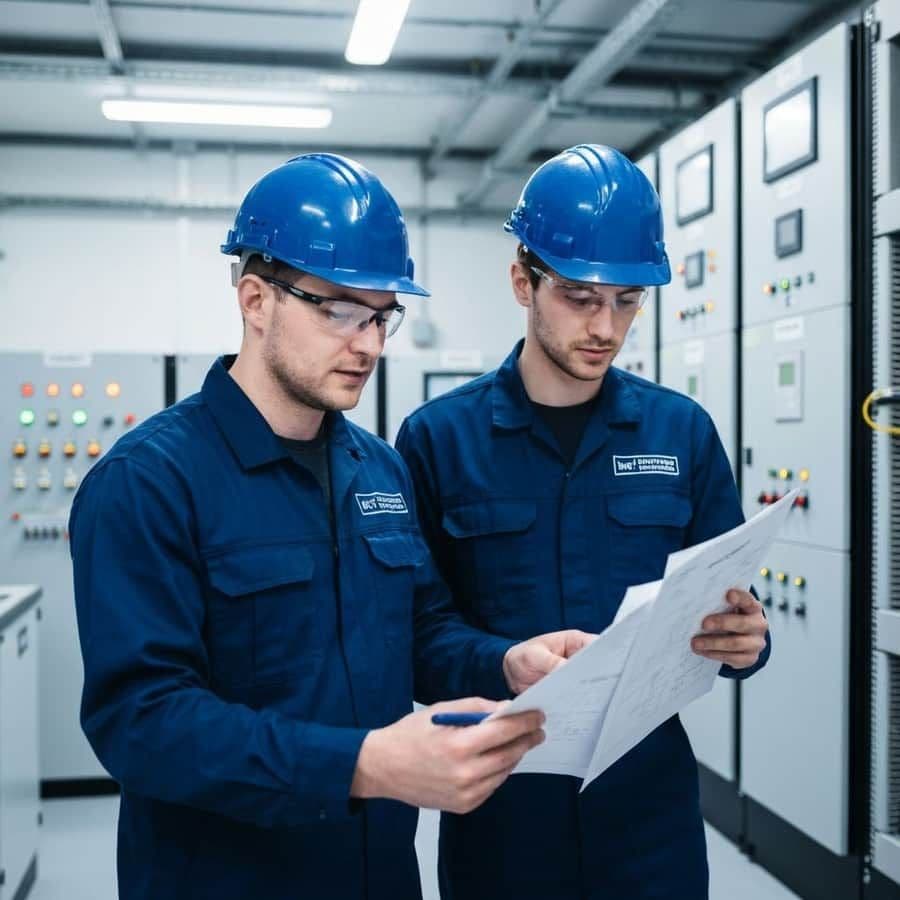
PREVENTING ELECTRICAL FIRES
Early Detection Saves Lives and Equipment
Electrical fires from loose connections and overloaded circuits are leading causes of industrial incidents in the UAE. Thermographic inspection detects hazards while equipment is energised, enabling targeted maintenance.
- Detection of loose and deteriorating electrical connections
- Identification of overloaded circuits and phase imbalances
- Assessment of transformer and cable termination conditions
- Verification of breaker and fuse thermal performance
- Documentation of equipment baseline thermal signatures
- Compliance reporting for DEWA and insurance requirements
DELIVERABLES
What You Receive
Each thermographic inspection includes a detailed report with thermal and visual images, temperature measurements, severity classifications, and prioritised repair recommendations. Reports meet DEWA submission standards.
- High-resolution thermal images with temperature annotations
- Side-by-side visual and infrared comparison photographs
- Severity classification per NETA MTS guidelines
- Prioritised repair recommendations with urgency ratings
- Equipment condition summary with trend data
- Executive summary for facility management review
FAQ
Frequently Asked Questions
What is thermographic inspection of electrical systems?
Thermographic inspection uses infrared cameras to detect abnormal heat patterns in electrical equipment such as panels, switchgear, and transformers. Hot spots indicate loose connections, overloaded circuits, or deteriorating components that could lead to equipment failure or electrical fires if left unaddressed.
Is thermographic inspection required by DEWA in Dubai?
DEWA mandates regular inspection and maintenance of electrical systems in commercial and industrial facilities. Thermographic surveys are widely recognised as an essential component of DEWA-compliant maintenance programmes and are frequently required by Dubai Civil Defence and insurance providers.
Can thermographic inspection be done while equipment is energised?
Yes. Thermographic inspection is a non-contact technique performed while equipment is energised and operating under normal load conditions. This is essential because thermal anomalies are only visible when current is flowing through the system, making it ideal for facilities that cannot afford shutdowns.
How often should thermographic inspections be performed in the UAE?
Industry best practice recommends annual thermographic inspections for commercial facilities and quarterly or semi-annual inspections for critical industrial operations. High-load environments in the UAE may benefit from more frequent surveys due to accelerated thermal degradation in extreme ambient temperatures.
What types of equipment are inspected during a thermographic survey?
Our thermographic inspections cover main distribution boards, sub-distribution panels, switchgear, motor control centres, transformers, bus ducts, cable terminations, capacitor banks, and generator connections. We inspect all accessible electrical equipment carrying current within the facility scope.
How long does a thermographic inspection take?
Duration depends on facility size and the number of electrical assets. A typical commercial building inspection takes one to two days, while large industrial facilities with multiple substations may require three to five days for comprehensive coverage of all electrical infrastructure.
What qualifications do Carelabs thermographers hold?
Carelabs thermographic inspections are conducted by Level II certified infrared thermographers trained in electrical system diagnostics. Our engineers follow NETA Maintenance Testing Specifications and use calibrated, high-resolution thermal imaging equipment for accurate anomaly detection and reporting.
What happens if a critical anomaly is found during inspection?
Critical anomalies are immediately reported to your facility management team with urgent repair recommendations. We classify findings by severity level and provide specific guidance on corrective actions, estimated repair timelines, and interim safety measures to mitigate risk until permanent repairs are completed.
Can thermographic inspection detect problems in underground cables?
Thermographic inspection is most effective for accessible equipment such as panels, terminations, and switchgear. For underground cables, we can inspect cable termination points and joints where they surface. Complementary techniques like partial discharge testing may be recommended for buried cable systems.
Does thermographic inspection replace electrical testing?
No. Thermographic inspection is a complementary predictive maintenance tool that identifies thermal anomalies. It works alongside electrical testing methods like insulation resistance testing, contact resistance measurement, and protective device testing to provide a complete picture of equipment condition.
Get Started
Schedule a Thermographic Inspection
Identify hidden electrical faults before they cause outages or safety incidents at your facility.